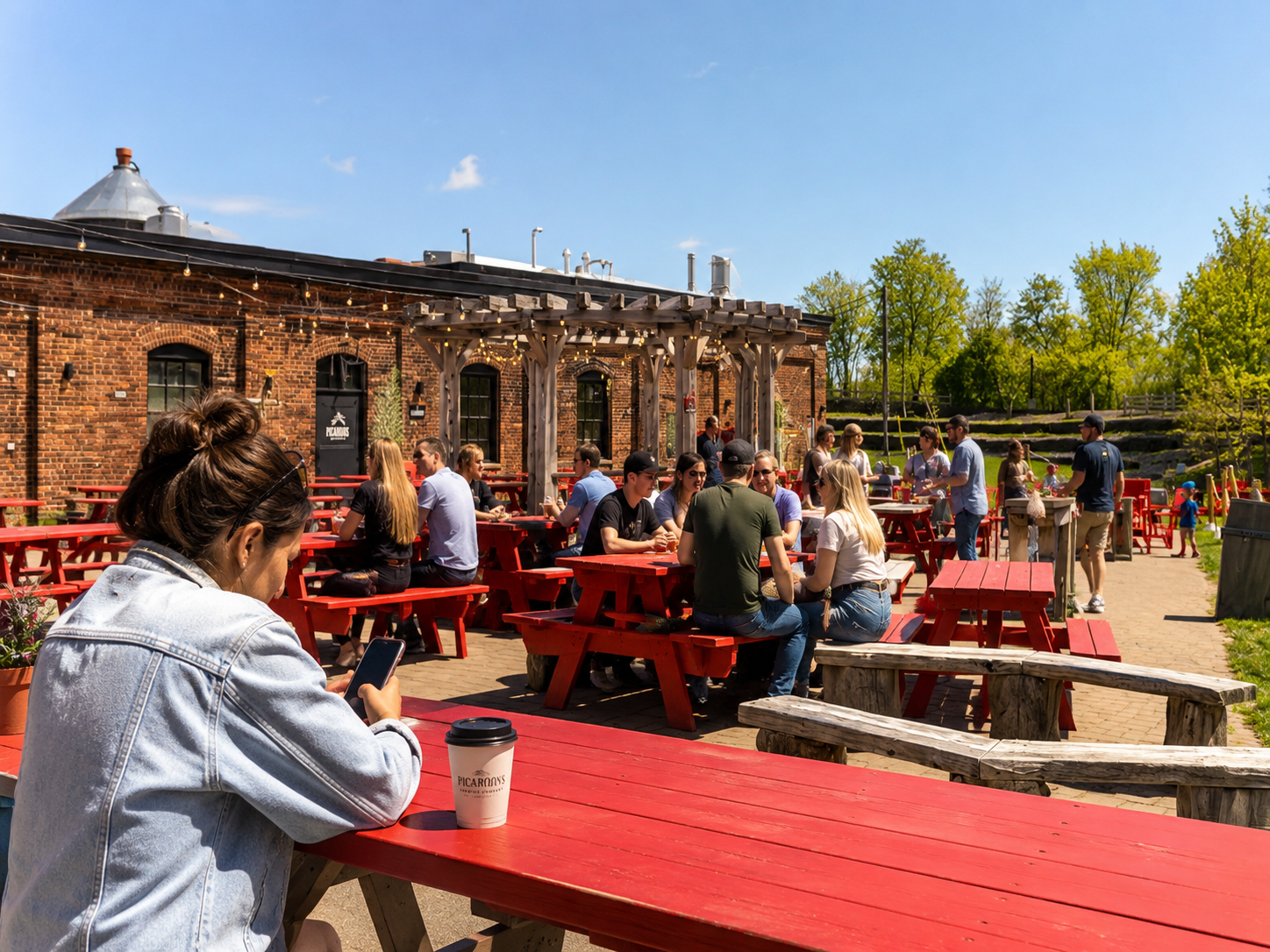
The Internet Never Turns Off—And People Are Starting to Push Back 📵🌿
There was a time when being constantly connected felt exciting.Fast replies. Endless information. Breaking news the second it happened. Social feeds full of updates, opinions, entertainment, and inspiration. The internet made the world feel smaller, faster, and more connected than ever before.But lately?A growing number of people are quietly hitting a wall.Digital fatigue is becoming one of the most relatable conversations happening right now—and it’s showing up everywhere from workplaces and schools to coffee shops and dinner tables across Fredericton and beyond.People aren’t necessarily abandoning technology. They’re simply starting to question whether being “always online” is actually sustainable.
Doomscrolling Has Become a Modern Habit 😵💫📱
Most people know the feeling.You pick up your phone to check one notification… and suddenly 45 minutes disappear into a cycle of headlines, videos, comments, and endless scrolling.The internet was designed to keep our attention. And for years, many of us accepted constant connectivity as normal. But the emotional side effects are becoming harder to ignore:- Mental exhaustion
- Shortened attention spans
- Anxiety from constant news exposure
- Burnout from being reachable 24/7
- Difficulty unplugging or relaxing
Fredericton’s Lifestyle May Be Part of the Appeal 🌲☕🚶
Interestingly, this shift is one reason smaller cities and lifestyle-focused communities are gaining more attention.In places like Fredericton, people still value walkability, nature, community events, cafés, trails, slower mornings, and face-to-face interaction. There’s room here to step away from screens—even briefly.You can see it happening already:- More people taking evening walks along the riverfront
- Packed patios where phones stay face-down on tables
- Growing interest in local markets and outdoor events
- People choosing hobbies that don’t involve screens
- Conversations around work-life balance becoming more intentional
Screen-Time Awareness Is Becoming Mainstream ⏳📴
Not long ago, “digital detox” sounded trendy or unrealistic.Now it feels practical.Apps are tracking screen time automatically. Parents are becoming more conscious about device habits. Employers are discussing burnout more openly. Even social media platforms themselves now include reminders encouraging users to take breaks.There’s a growing awareness that endless stimulation has consequences.That doesn’t mean people are deleting every app or moving off-grid. Most simply want healthier boundaries:- Fewer notifications
- More uninterrupted time
- Better sleep
- More outdoor activity
- More meaningful in-person interaction
The Pushback Isn’t Anti-Technology—It’s Pro-Human 🤝🌎
Technology isn’t the enemy.The internet has created incredible opportunities for business, creativity, communication, education, and connection. Remote work, local entrepreneurship, and digital accessibility have transformed communities in positive ways.But people are realizing that convenience alone doesn’t automatically create fulfillment.Human beings still need:- Rest
- Conversation
- Community
- Nature
- Presence
- Downtime
Maybe Slowing Down Is the New Luxury 🌅
For years, faster was considered better.Faster internet. Faster replies. Faster news. Faster productivity.But increasingly, people are beginning to value the opposite:- Slower mornings
- Intentional weekends
- Offline hobbies
- Smaller communities
- Walkable neighbourhoods
- Time that feels less fragmented